
Nature’s Calendar in British Wildlife
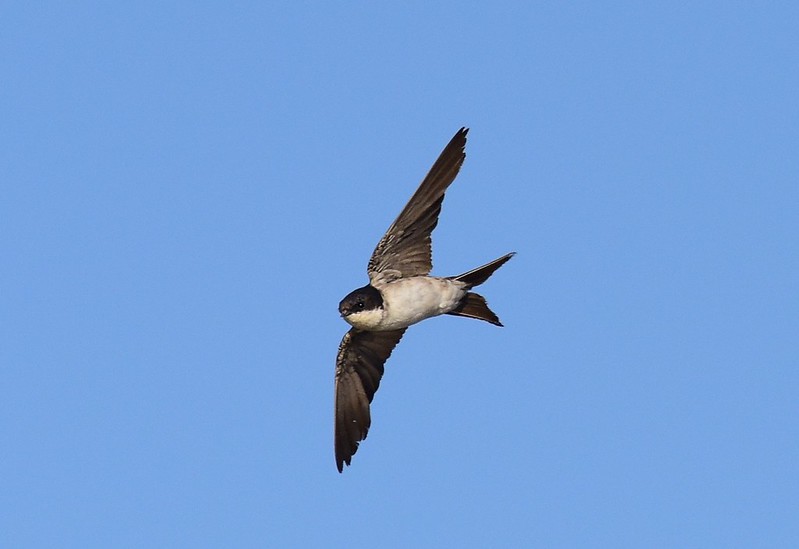
© Ian White (CC BY-NC-SA 2.0)
Not to be confused with ‘phonology’ (study of the relationship between speech sounds and language), phenology is a slightly haughty term for the study of the timing of natural events in relation to climate. Although the term is thought to have been first coined by Belgian botanist Charles Morren in 1849, humans have noted seasonal changes for several hundred years. Phenology typically involves recording the dates of events such as the flowering, leafing and fruiting of plants and the arrival, departure and nesting of birds. In the UK, phenological records are among our longest written biological datasets and have proved invaluable in their provision of year-on-year information on how nature is responding to a changing climate.
The UK’s first phenological network was disbanded in 1947. While enthusiasts and small groups continued to record seasonal information over subsequent decades, there was no nationally organised network in Britain until 1998 when a pilot scheme, now known as Nature’s Calendar –the UK Phenology Network, was set up. Designed to be compatible with historic records and contemporary international schemes, the network has grown to be one of the UK’s most significant citizen science projects. Since 1998, and with the support of the Woodland Trust, thousands of people have contributed data to Nature’s Calendar. As the data continue to accumulate each year, we are only just beginning to see the extent of their value.
British Wildlife’s association with Nature’s Calendar began in 1998 when the founders of the pilot scheme wrote a summary of the first year of the revived UK phenological network. In the article, Tim Sparks and co. acknowledged ‘individual phenological records have little value in isolation… only when they build up into temporally or spatially extensive data sets can their full value be appreciated’. They initially hoped for a modest 400 annual recorders, and now – at time of writing – the network holds millions of phenological records in a database that is a major evidence base for climate change research. Each April, British Wildlife shares a summary from the network of interesting results from the data, allowing readers to track not only phenological changes but also the growth and progress of the network.
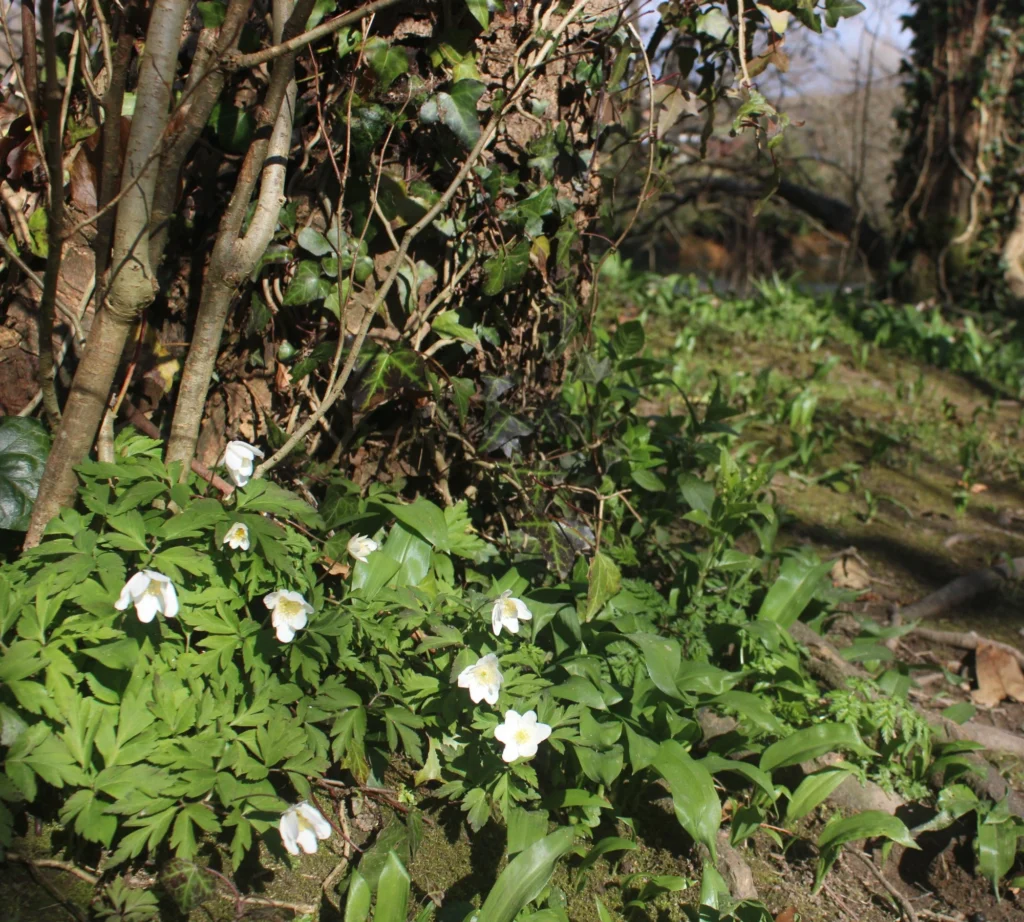
The diversity of the events tracked by Nature’s Calendar open the door to varied and imaginative ways of exploring changes in the natural world. Topics recently covered by the network in British Wildlife have included:
- The complicated nature of autumn phenology: Think phenology and your mind may turn to spring, but there are phenological events happening at all times of year. While the timing of many spring events often shows a fairly straightforward relationship with changes in day-length or temperature, things get more complex in the autumn. For example, rainfall, temperature and sunshine in weeks, or even months, before the event will all interact to influence dates of fruiting and changes in leaf colour, while a single strong storm can make a huge difference to the leaf-fall dates between years.
- Connections with the past: Legendary 18th-century naturalist Gilbert White was a meticulous recorder of seasonal changes around his parish of Selborne, in Sussex. Comparison between his journals and modern data from the same region allows us to picture shifts in phenology over centuries, with some fascinating results. First flowering dates are now generally earlier, as expected with rising temperatures, but more surprising is that the arrival of many spring-time migrant birds has, on average, become later. The reasons for the latter are unclear, but it may simply reflect the fact that bird populations were far healthier in White’s time – with more birds you might expect a wider spread of migration dates, including some individuals making earlier journeys.
- The human side of phenological change: While we tend to think of shifting phenology in terms of impacts on wild plants and animals, there are implications for humans too. Data from Nature’s Calendar show, for example, that warmer springs mean that lawn-cutting starts earlier, and also that allergenic plants begin flowering earlier – bad news for hayfever sufferers.
- The short ‘memory’ of spring-time events: Weather in the immediately preceding period seems to be the important factor for most spring events. In 2015 the UK recorded its warmest December on record, and yet there seemed to be little effect on the timing of events in the following spring, probably because the extreme warmth was followed by a colder period in early 2016.
Look out for our next phenological update in the April issue of British Wildlife, and if you’d like to get involved with Nature’s Calendar find out more here.