
Chemical pollutants and British Otters: in conversation with Ian Parsons
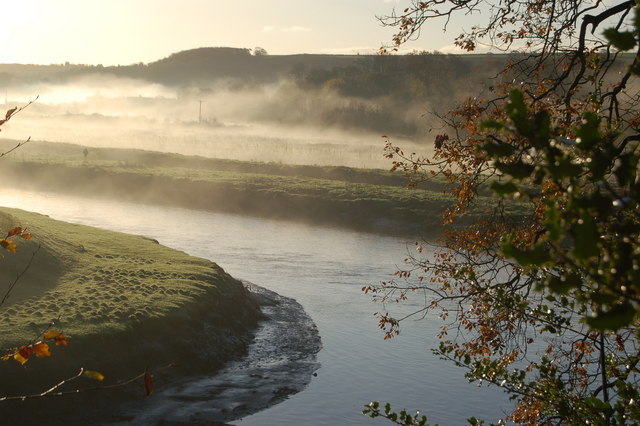
Otters are often glimpsed along the River Torridge in North Devon Thor Beverley © CC BY-SA 2.0
Following our illuminating conversation with Hannah Bourne-Taylor on the harm caused to freshwater invertebrates when pet-flea treatments enter rivers, we spoke to Ian Parsons about how those pesticides (and other chemicals) threaten one of Britain’s most beloved riverine species – the Otter.
Q. Could you briefly tell us about the history of otters in British rivers and the threats that they have faced?
Otters in our rivers have had a long history of facing human persecution, from the Tudor ‘Vermin’ Acts of the 16th century through to the packs of Otterhounds that hunted them in the 20th century. However, it was our chemical pollution of the environment in the 1950s and 1960s that posed the biggest threat of all, extirpating them from most of England and almost wiping them out altogether.
Q. What legal protections are in place for otters and what is their current conservation status in Britain?
When the sheer scale of the cataclysmic decline of our Otters was finally realised, they were given full legal protection, banning Otter hunting and protecting them from other forms of persecution. But it was the separate banning of the agricultural chemicals, which had caused their decline in the first place, that allowed their numbers to slowly recover. Currently Otters are doing ok in Britain, in many parts of the country their populations are thriving. However, in the South East of England their recovery has been particularly slow; it was only in 2011 that Otters returned to Kent and numbers are still far lower than they should be in the region. Otters are doing ok at the moment but there are many threats that could change that.
Q. While researching the species for your book, what new information have you discovered about the relationship between harmful pollutants and otters?
I think the most shocking thing that I discovered was that if a research project sets out to look for a pollutant in Otters, it will find it. Our rivers and their wildlife are awash with a flood of pollutants, from micro plastics to medicines, anti coagulants to anti tick and flea treatments. We don’t know what impact all this pollution will have on the long term future of Otters in Britain, but one can’t imagine that it will be good.
As I discuss in my book, and as Hannah’s excellent article pointed out, there are millions of people in this country that are unwittingly polluting our water courses with insecticide chemicals, chemicals that have already been banned with much fanfare from agricultural use. Neonicotinoids are notorious and rightly so, but their use in veterinary products is something that has been missed by many. I would imagine there are lots of people who happily supported the ban on using them in agriculture that are currently using them on their pets without realising it. The inescapable consequence of their use on our pets is that these very persistent insecticides end up in our watercourses. Otters might not be directly impacted by their presence, but Otters are top of the riverine food chain and that food chain is built on the invertebrates that live in our rivers: if they go, so ultimately do the Otters. There is a plethora of research that demonstrates the threat that the continued use of these chemicals poses for Otters (and other wildlife), yet there is little action from the government and regulatory bodies.
Q. Unfortunately, pet-flea treatments such as fipronil and imidacloprid are just two of a myriad of harmful pollutants which enter Britain’s waterways. What other chemicals have been found in the livers of otters?
Basically, if we as individuals use or consume a chemical, a trace of that chemical will end up in our rivers. Unfortunately there are many millions of individuals in this country and when you multiply traces by millions they stop being just traces. Be it illicit drugs such as ecstasy or over the counter ones such as ibuprofen, they end up in our rivers, the riverine food chain and ultimately in our Otters. For my book I looked at many studies that time and again demonstrated the presence of chemicals that we use in our everyday lives within the livers of Otters, at times it got quite disheartening. Another form of chemical pollutant that we so liberally use is rat poison, or to give it its more formal name, anti coagulant rodenticide. Go to any garden centre and you will find shelves of the stuff, often next to the bird food that plays a big part in attracting rats to our gardens in the first place. I am not aware of a study yet in Britain that has looked for the presence of these lethal poisons in the livers of Otters, but they will be there. A study in Germany looking at the livers of Otter road casualties found them readily enough. They tested the bodies of 122 Otters, and 87 of them (over 70%) had this biocide in their livers; you wonder if it played a part in their demise. If it is happening in Germany, it will be happening here, we just haven’t looked for it yet.
I had naively thought that we had learnt our lessons from the disaster that chemicals such as Dieldrin and Heptachlor wreaked on Otters and other wildlife in the middle of the last century. We haven’t.
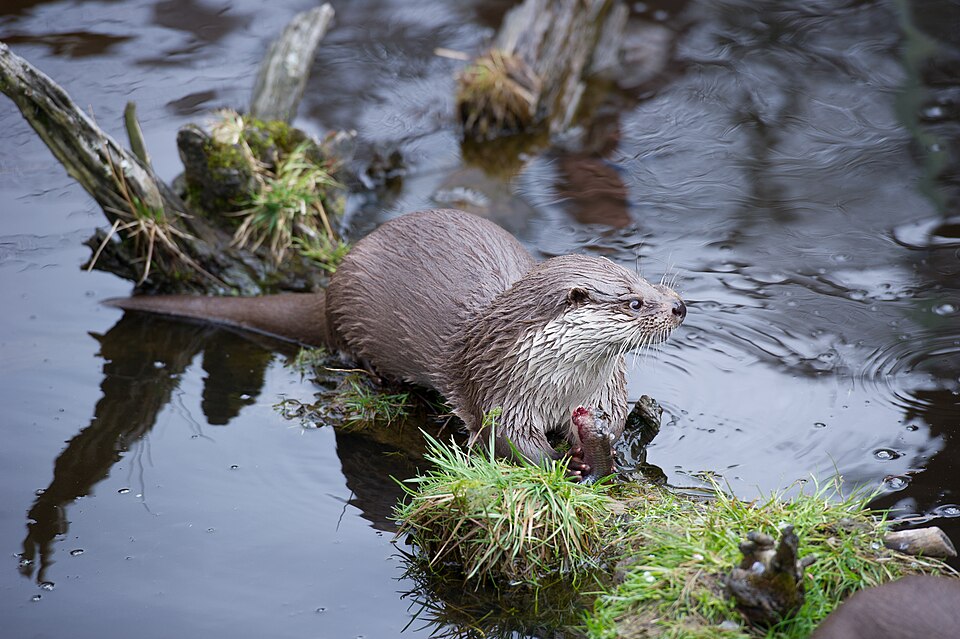
Q: What is the outlook for otters in the future?
It can be quite depressing thinking about the implications for Otters from chemical pollutants, but that doesn’t mean we should shy away from the subject. Only by discussing it can we raise awareness. But it should also be said that in writing my book I also discovered so many positives for Otters as well, topics that should definitely be celebrated. I discuss the return of the Beaver to many river systems in Britain, which is 100% positive for Otters, as is the work being carried out in many places to return our rivers to the dynamic systems they should be, rather than the fast flowing conduits we have made them. I also met some great people, not least Dave and Cathy Webb of the UK Wild Otter Trust. The work they do is incredible and being able to see the Otters they had rescued and rehabilitated, before they then released them back into the wild, was an incredibly uplifting experience. The outlook for Otters in the future can be a positive one, it should be a positive one, but it is us that need to ensure that that is what it is.
Ian’s new book, Tarka Revisited, tells the story of UK otters in the century since their literary canonisation in Henry Williamson’s Tarka the Otter. The book is now available in hardback from Pelagic Publishing.