
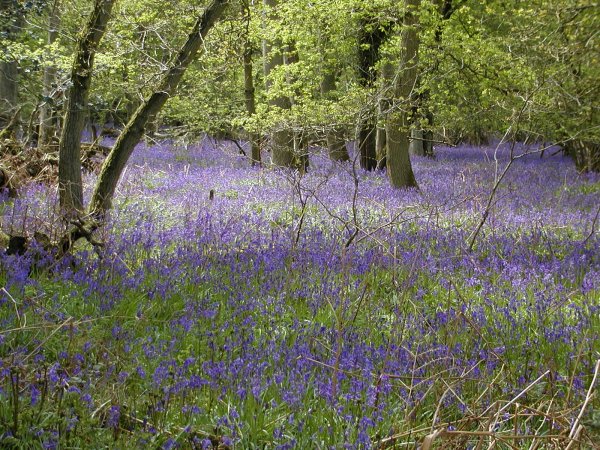
The UK’s woodland cover is less than half the average for Europe (Burton et al. 2018) and we have no true primary forests, defined as ‘a naturally regenerated forest of native species, where there are no clearly visible indications of human activities and the ecological processes are not significantly disturbed’ (FAO 2015). Our remnant sylvan biodiversity resides in plantations and fragmented semi-natural forests which are the product of hundreds or even thousands of years of human intervention.
In this article, Ellie Crane explores the extent to which open woodland can be considered ‘better’ for biodiversity, and the consequences of allowing the canopy to close. The focus throughout is on lowland, broadleaf woodland.