
Wild Summit 2026
Sam Hackney, at British Wildlife, has recently returned from Wild Summit, an annual gathering of people passionate about taking action for nature recovery. Sam reports:
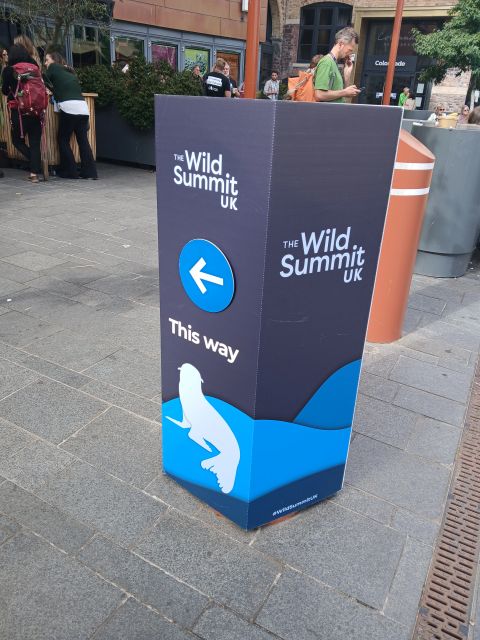
We were very pleased to represent British Wildlife at the second annual Wild Summit in Bristol, hosted by Wildlife and Countryside Link (WCL). Four years have passed since the UK formally pledged to protect 30% of its land and seas by 2030 and concerningly little meaningful progress has been made. Clear and coordinated action is needed if this commitment is to be met and the decline of nature is to be reversed. Speakers and delegates alike, who collectively represented hundreds of wildlife organisations and groups, were unequivocal in their drive to hold the powerful to account, meet the 30×30 target and restore nature in Britain. For its part, WCL made a direct call to our government to increase spending on nature recovery to £2 billion per year, and led an open letter to that effect addressed to the prime minister, with signatories from more than 50 leading nature charities.
The summit was full of big plans and timely discussions as speakers and attendees reckoned with the toughest questions surrounding environmental crises in the UK including the potential impact of the Clean Water Bill; climate action and nature recovery in the marine environment; a deepening lack of access to nature; the state of England’s landscapes and what role their protections can play in meeting 30×30; and the future of nature friendly farming.
Keynotes
Zack Polanski, leader of the Green Party for England and Wales, opened the summit with a rousing speech which directly challenged prime minister Andy Burnham to publish the Nature Security Assessment, from Defra and the Joint Intelligence Committee (which oversees MI5 and MI6), in full. The 14-page report was originally set to be published in Autumn 2025 but was suppressed by an intervention from Downing Street. A heavily redacted version surfaced in early 2026 revealing the catastrophic consequences that overseas ecosystem collapse would have for UK national security.
Since the summit, foreign secretary Ed Miliband, has presented the report (in a still redacted form) at the UN General Assembly, announcing that he will appoint a new special representative for climate security, as well as a new ministerial taskforce on “the national security and resilience risks of a changing climate and nature loss”. He also announced £330m for the Global Environment Facility, the main international fund for protecting nature.
Polanski’s first year as green leader has drawn some scepticism within conservation regarding a perceived lack of focus on nature’s decline and the biodiversity crisis. Following his keynote speech, we asked how he will approach the biodiversity crisis going forward, and to what extent he will prioritise it against other economic challenges, as leader of the Greens and as the prospective member of parliament for Holborn and St Pancras. Polanski says:
“One in six species are at risk of extinction. That’s 1,500 species. We have lost half of our biodiversity and there is not a single river in England that doesn’t have toxic chemicals in it. This all affects people and crucially it affects our wildlife too. We know that the planet is not ours. The planet belongs to nature. It belongs to animals and I think anyone who wants to see a better future for the country whether it’s for people or nature needs to have policy programme that puts nature at the heart of it and recognises the beauty and diversity of wildlife. I think its really important that we hold those to account that don’t look after wildlife and in fact who profit from the destruction of habitat and wildlife and that we subsidise, incentivise and applaud the work of campaigners and organisations who are doing the right thing and are doing everything that they can to restore nature’s habitats and make sure that we champion our beautiful species.”
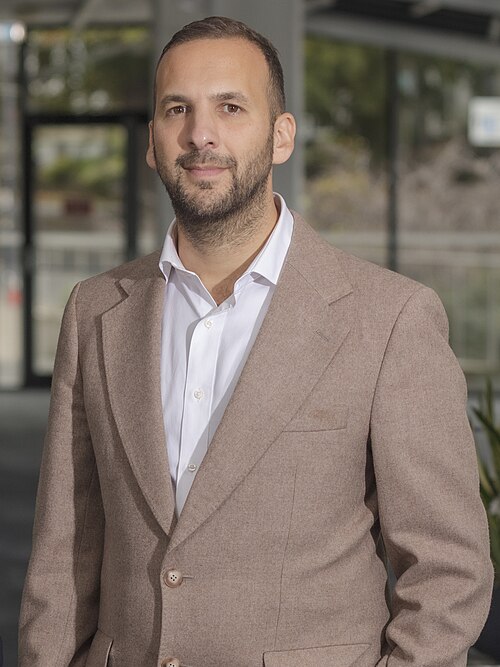
© Bristol Green Party (CC 0 1.0)
Let’s hold him to that!
Other keynote speeches were delivered by Pippa Heylings MP, the Liberal Democrats spokesperson for energy and net zero, who used her platform to challenge the Labour government’s characterisation of nature as a blocker to growth and urged the prime minister to encourage and engage in urgent cross-party talks in response to the climate-nature crisis, and Jenny Riddell-Carpenter MP, the parliamentary undersecretary of state for Defra, who called for the alignment of nature recovery with national economic growth and climate adaptation planning. Despite assurance from the summit’s organiser and WCL CEO, Richard Benwell, that all five leading political parties were invited to send representatives to speak at the event, the Conservatives and Reform UK were conspicuous in their absence.
The summit continues to play a crucial role in facilitating the collaboration and coordination of the sometimes disparate organisations campaigning for wildlife and nature. The challenges that nature (and people) now face are enormous and can feel insurmountable. Wild Summit 2026 and its attendees showed that the grassroots-to-government drive to protect and restore our environment is stronger than ever. It is long past the time to maintain that momentum and convert sentiment into legally binding obligation and regulation. Let’s make it happen!