
Reviewed: The best wildlife books of 2025
Did you know we post every book review published in print here on the website too?
From nature-writing bestsellers to technical identification handbooks, British Wildlife features reviews of all the most significant wildlife titles, authored by experts in relevant subjects. Here are all the reviews from 2025, featuring a selection of the top natural history books from the last year.
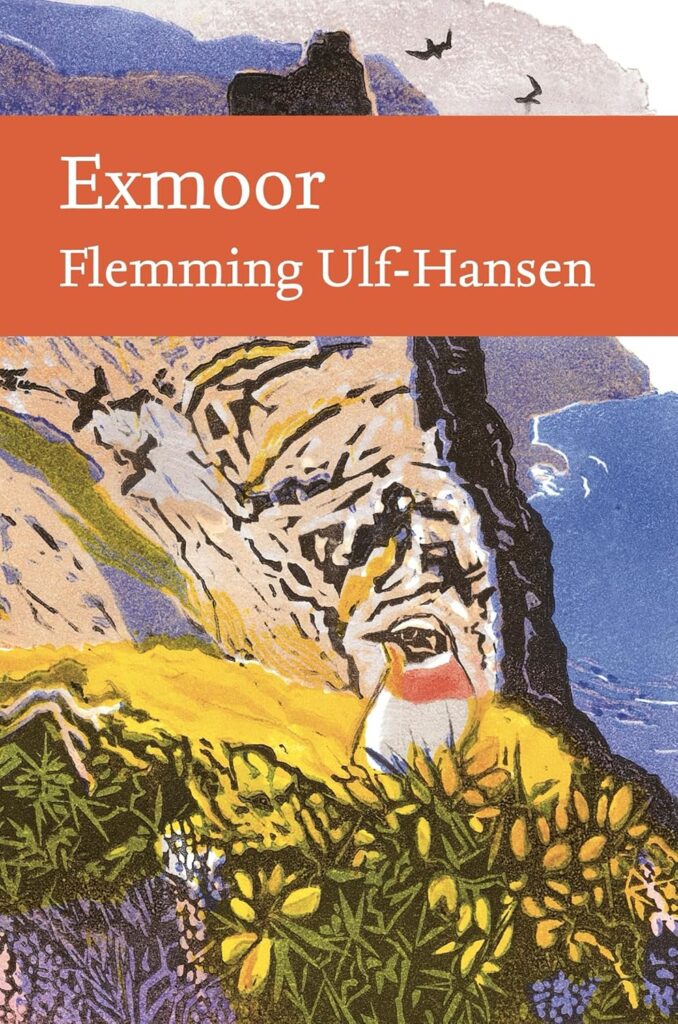
Exmoor by Flemming Ulf-Hansen
“At its heart, Exmoor has a wonderful intricacy, where you can stumble upon sheltered valleys peppered with oakwoods and see the rare Heath Fritillary seeking out banks of Common Cow-wheat, hear Pied Flycatchers and catch the echoing calls of Cuckoos.”
Andrew Branson, BW 37.1 October 2025. Read the review here
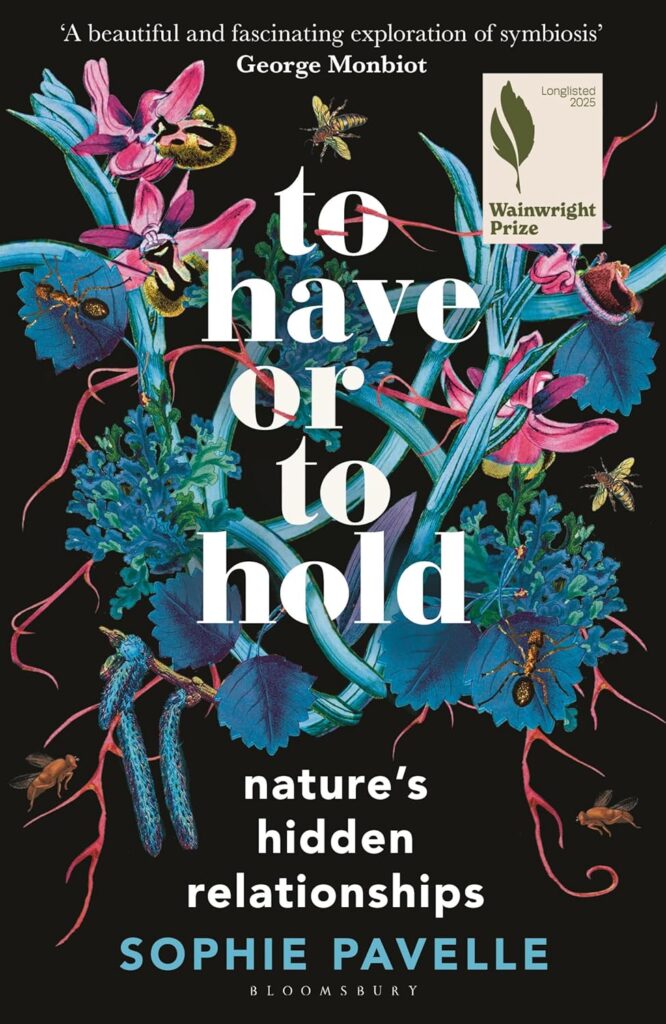
To Have or to Hold by Sophie Pavelle
“I also read it as a plea to look beyond what we think we know, and to try to understand, or at least acknowledge, the nuances in the natural world – and perhaps also to think a little more deeply about how we fit into all of it.”
Jeni Bell, BW 37.1 October 2025. Read the review here
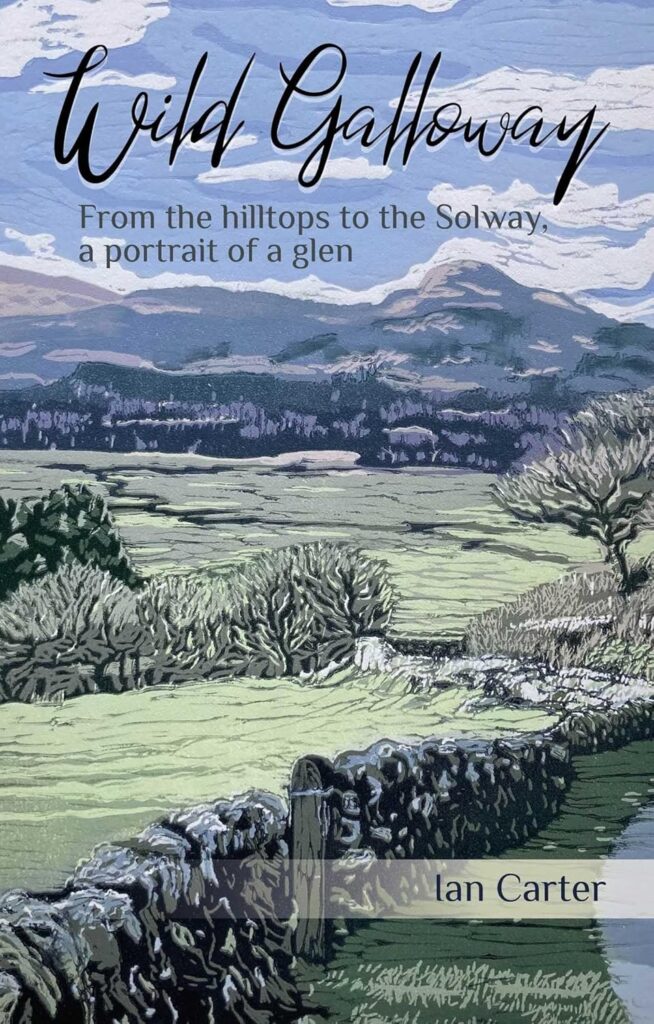
Wild Galloway by Ian Carter
“It is a pleasure to be in Carter’s observant company as he explores the foreshore, camps on an island, clambers through ancient woodland beside a burn or ascends through tussock and bog to the high tops of Bengairn.”
James Robertson, BW 36.8 August 2025. Read the review here
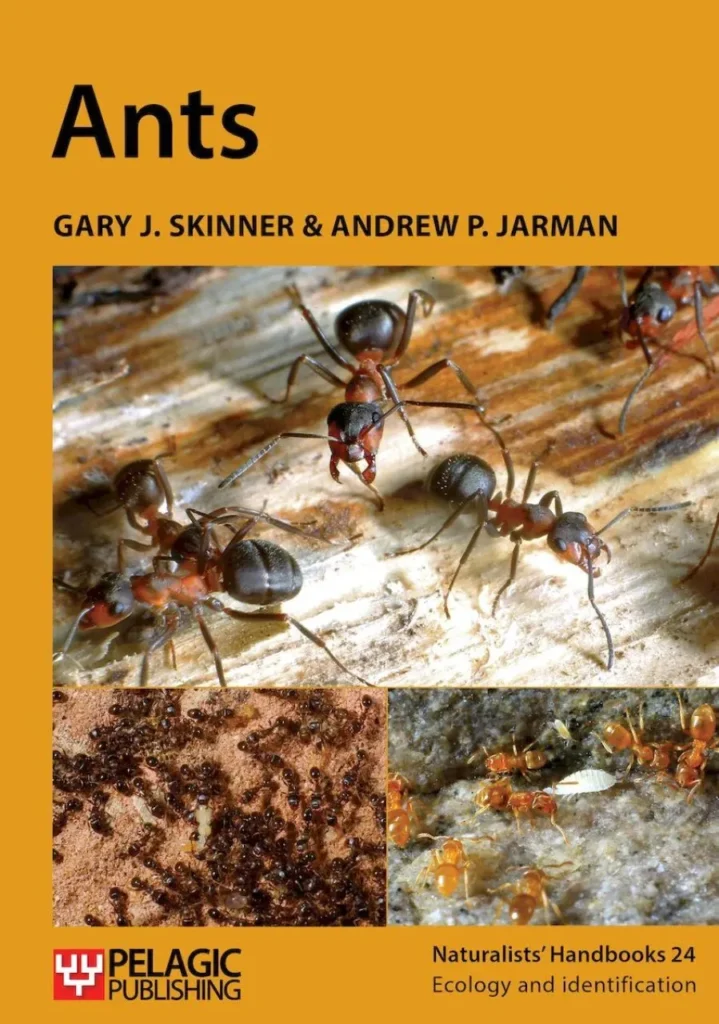
Ants. Second Edition by Gary J. Skinner and Andrew Jarman
“The greatly increased page count in this edition reflects the fact that both interest in our ant fauna and the amount of information we know about ants are far greater today than they were when the original was published. There is also much that we do not know about these industrious insects, however, and one of the later chapters encourages the reader to get out there and conduct their own studies.”
Adrian Knowles, BW 36.7 June 2025. Read the review here
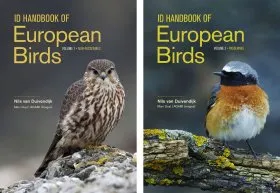
ID Handbook of European Birds by Nils van Duivendijk and Marc Guyt
“For me, this was the most outstanding bird book of 2024. It covers 733 species recorded at least five times in Europe and comprises a hefty two tomes.”
Keith Betton, BW 36.4 February 2025. Read the review here
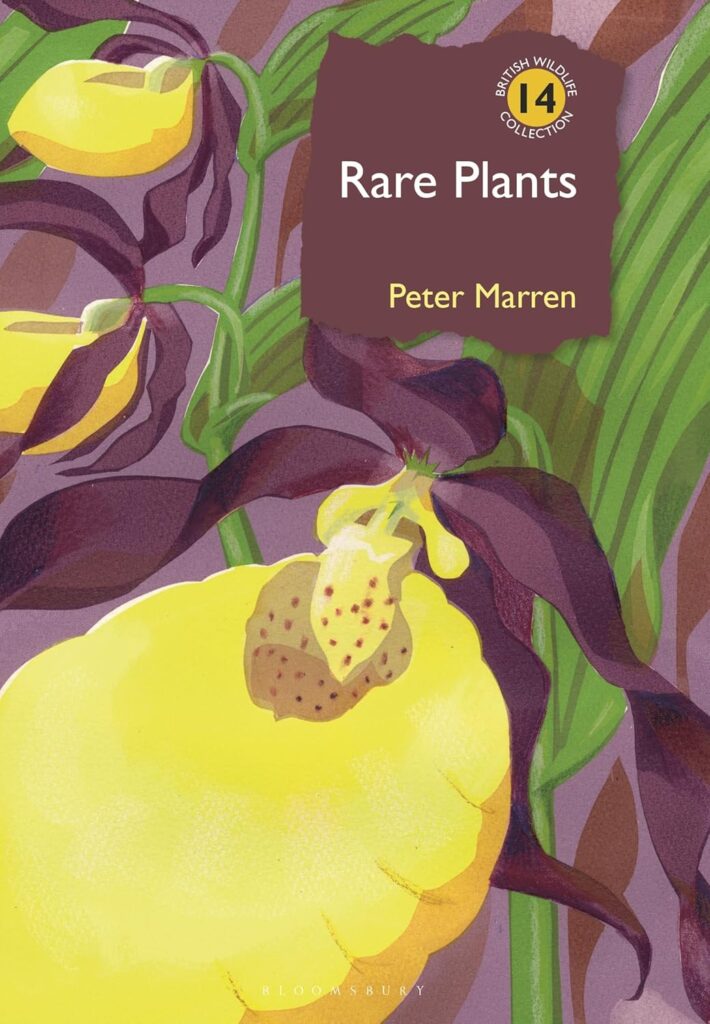
Rare Plants by Peter Marren
“Marren’s writing helps to remind us, and I suggest that we do need reminding, that an appreciation of rare plants has nothing to do with designations, targets and spreadsheets, and everything to do with how we approach and interpret and value the landscape that we live within”
Pete Stroh, BW 36.4 February 2025. Read the review here
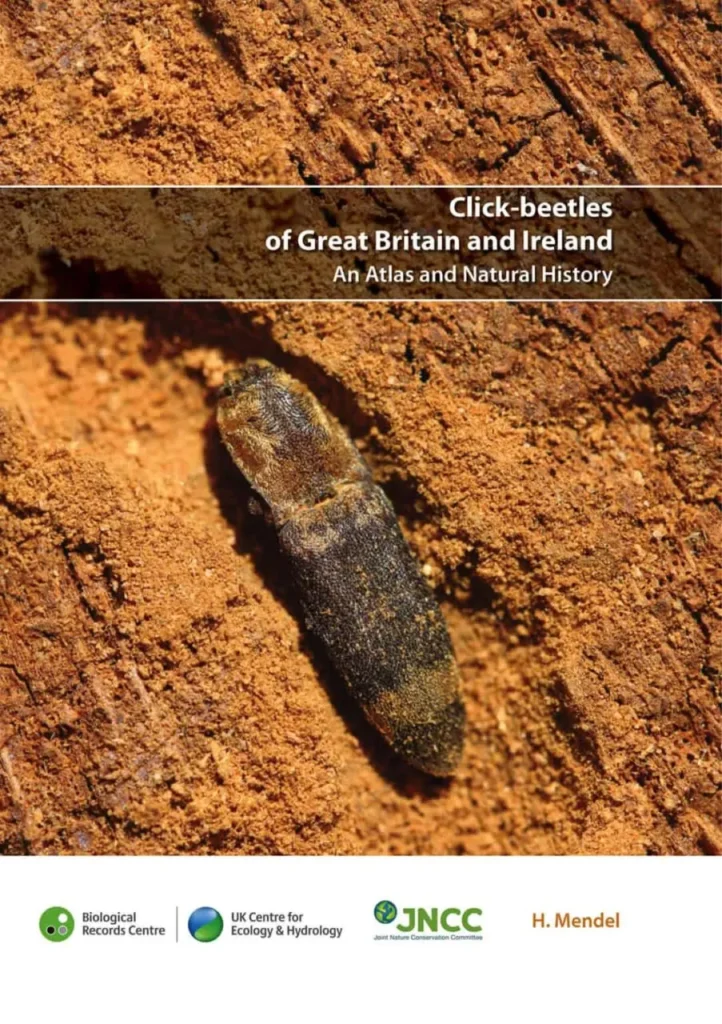
Click Beetles of Great Britain and Ireland: An Atlas and Natural History by Howard Mendel
“Finding your first click beetle can be one of the formative experiences for a young coleopterist. These beetles jump out of your tray, never to be found again, and click furiously even when you have them safely held in your fingers. Despite their attractiveness, they can be frustrating to study and to identify.”
Clive Washington, BW 36.5 April 2025. Read the review here
The Story of Nature: A Human History by Jeremy Mynott
“We talk about ‘nature’ all the time, but what exactly is it? Does nature include physical processes such as rocks and rivers, as well as life? Is humankind part of nature or is there now a clear separation between the artificial and the natural? And if the latter, when did that divorce take place? Nature has a deep history, and what we think about it today may be different from how it was viewed in the past (there have been changes in perception even in my own lifetime). Who invented nature anyway?”
Peter Marren, BW 36.4 February 2025. Read the review here
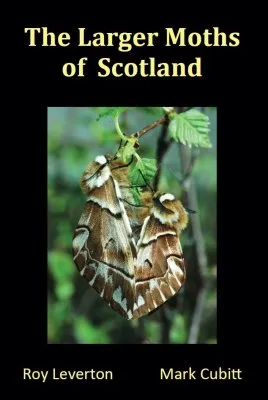
The Larger Moths of Scotland by Roy Leverton and Mark Cubitt
“For anyone with an interest in the moths of Scotland, this book would be a worthwhile investment. Even beyond those moth enthusiasts who live in Scotland, this book should appeal to those who visit regularly from other parts of Britain and Ireland, providing interesting information and deepening the appreciation for those moths seen north of the border.”
David Hill, BW 36.5 April 2025. Read the review here
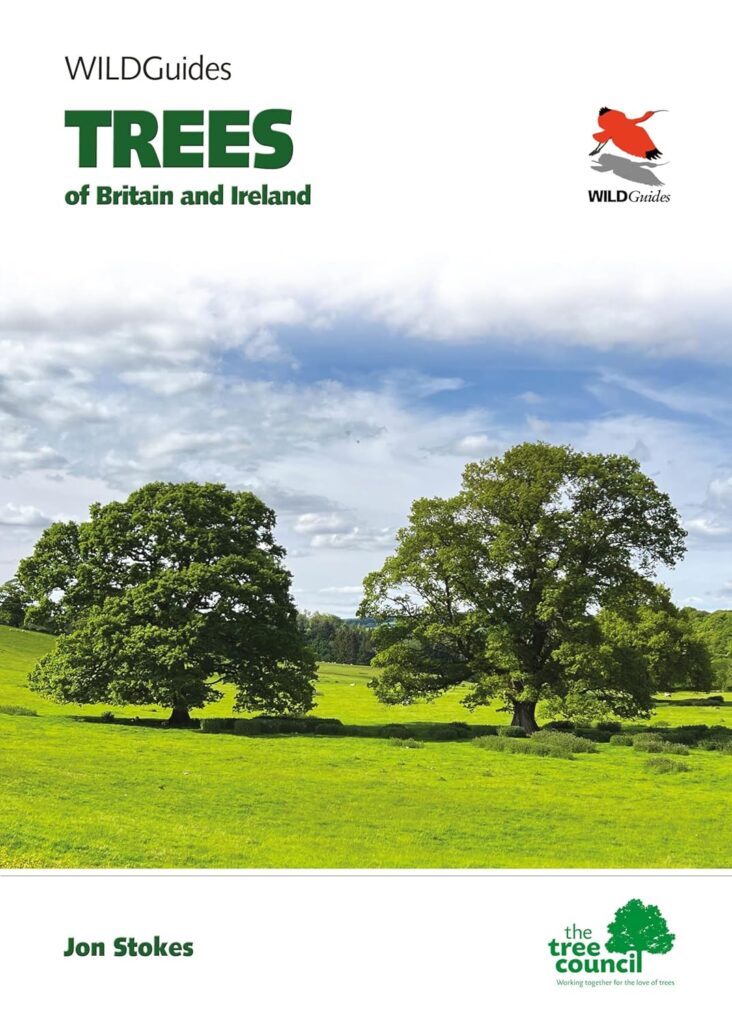
Trees of Britain and Ireland by Jon Stokes
“You might think that we already have enough tree identification books but this one is different from the rest.”
Peter Thomas, BW 37.1 October 2025. Read the review here
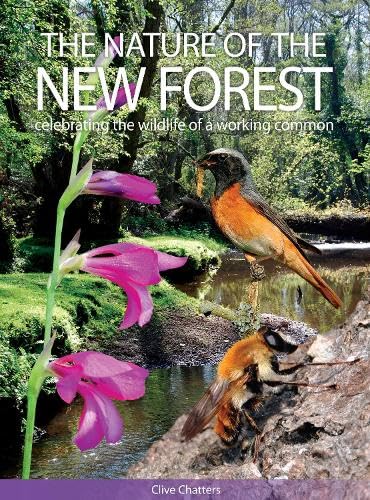
The Nature of the New Forest by Clive Chatters
“Clive Chatters probably knows the Forest and its wildlife better than anyone and is an experienced and critical natural history writer. Not surprisingly then, this is a very good book.”
Peter Marren, BW 36.5 April 2025. Read the review here
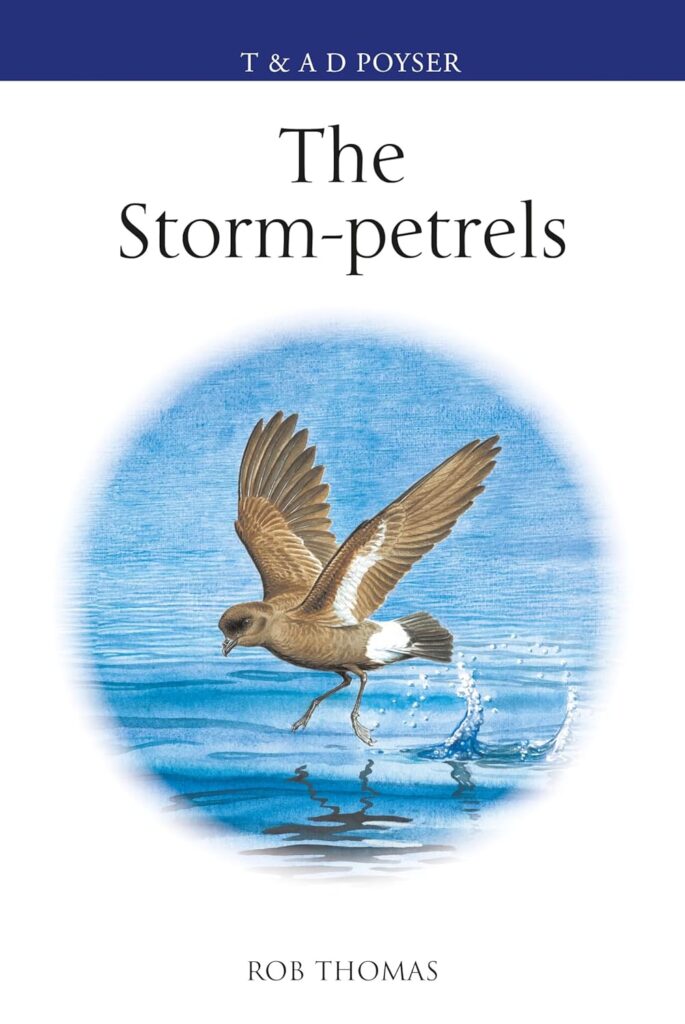
The Storm-petrels by Rob Thomas
“Most of us rarely get to see storm-petrels, and yet some species are among the most numerous birds in the world. They are a fascinating group, and some are only just revealing their secrets to us.”
Keith Betton, BW 36.5 April 2025. Read the review here
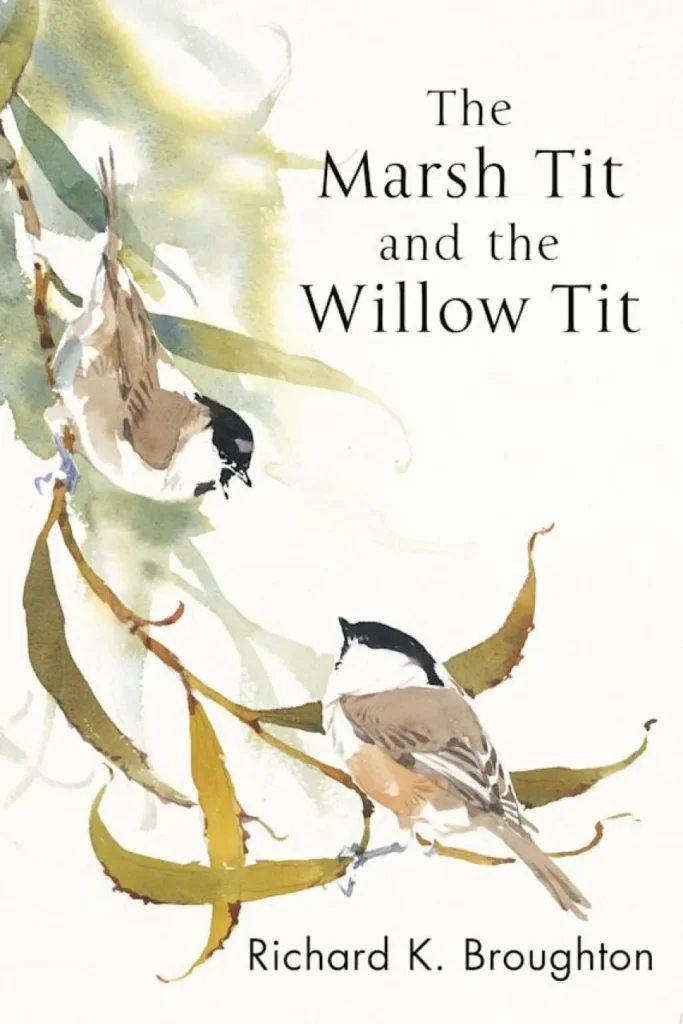
The Marsh Tit and the Willow Tit by Richard K. Broughton
“Marsh and Willow Tits are both Red Listed in the UK, and for many in southern England the latter species is now completely absent, having previously been a familiar but mostly scarce resident. Nobody in the UK has studied these birds more closely than Richard Broughton.”
Keith Betton, BW 36.5 April 2025. Read the review here
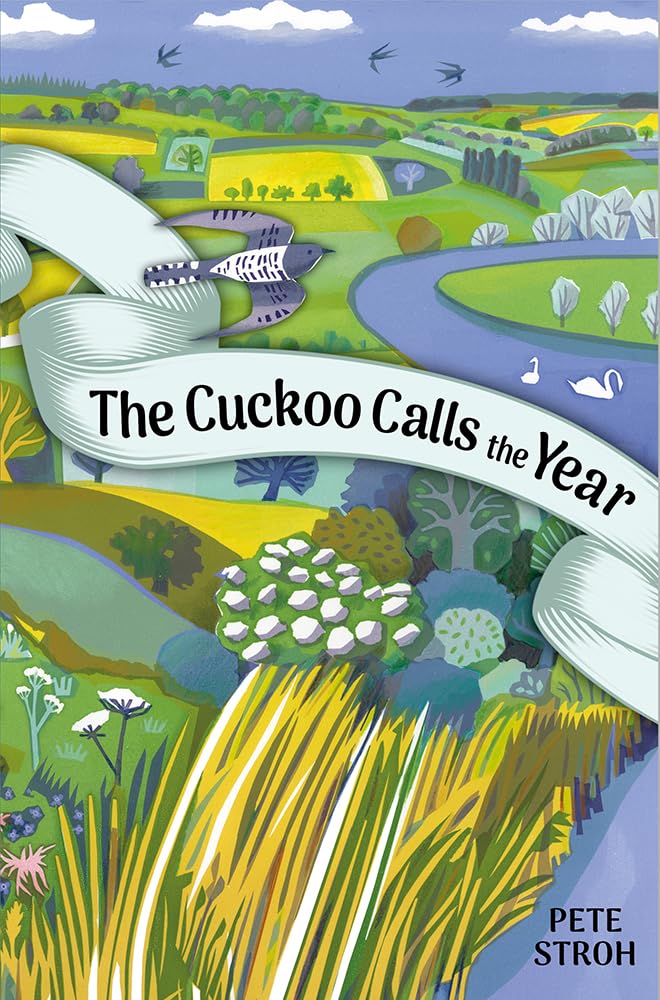
The Cuckoo Calls the Year by Pete Stroh
“In short, Pete finds that rural England is still full of life for those prepared to look for it, or simply to keep their eyes open. Noticing that may not change the world, but I guarantee it will enhance your life, as will reading this book.”
Ken Thompson, BW 36.7 June 2025. Read the review here
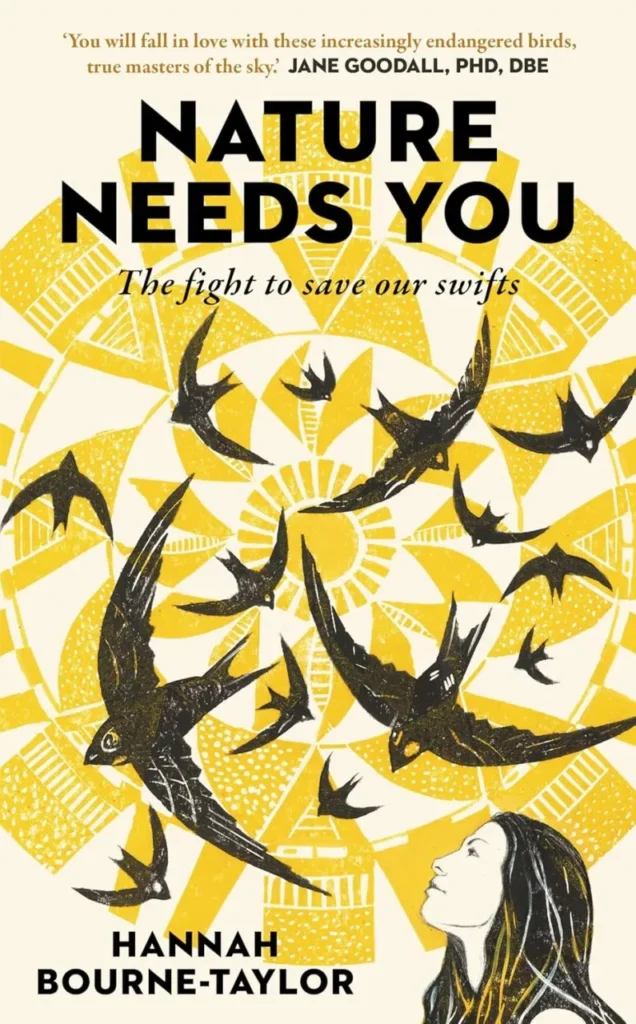
Nature Needs You by Hannah Bourne-Taylor
“If, ‘passion is a superpower’ then this book is super charged. Nature Needs You is a bold, and desperate plea for us to care about the lives that swoop and scream around us.”
Jeni Bell, BW 36.7 June 2025. Read the review here
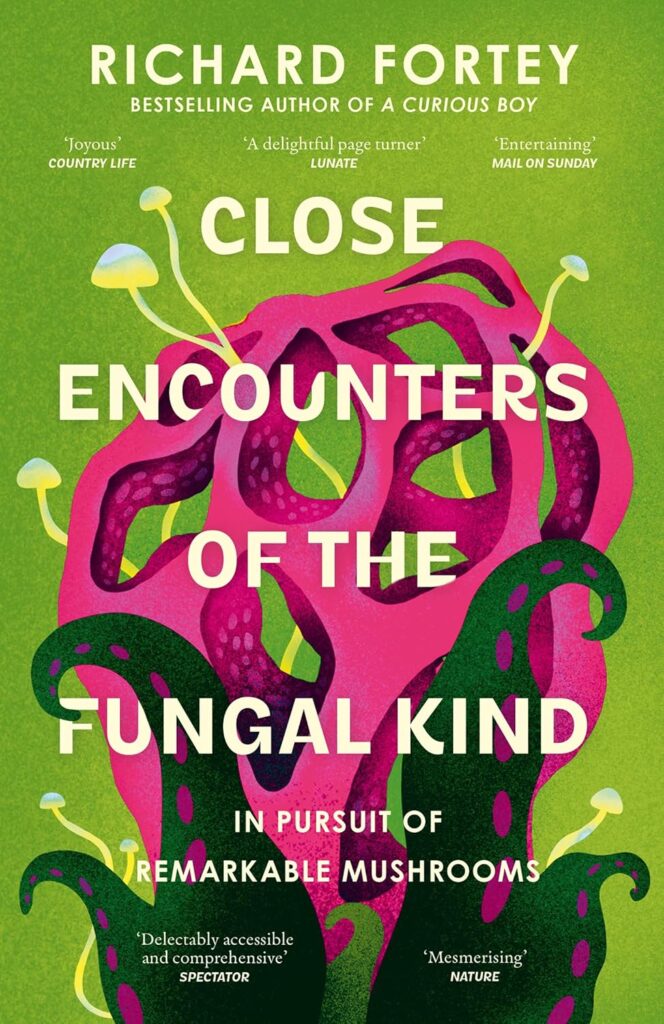
Close Encounters of the Fungal Kind by Richard Fortey
“Fortey’s style is warm, engaging and friendly. He does not over-simplify, but does not use jargon either, and any naturalist would enjoy this narrative of the dark kingdom and its pleasures.”
Peter Marren, BW 36.6 May 2025. Read the review here
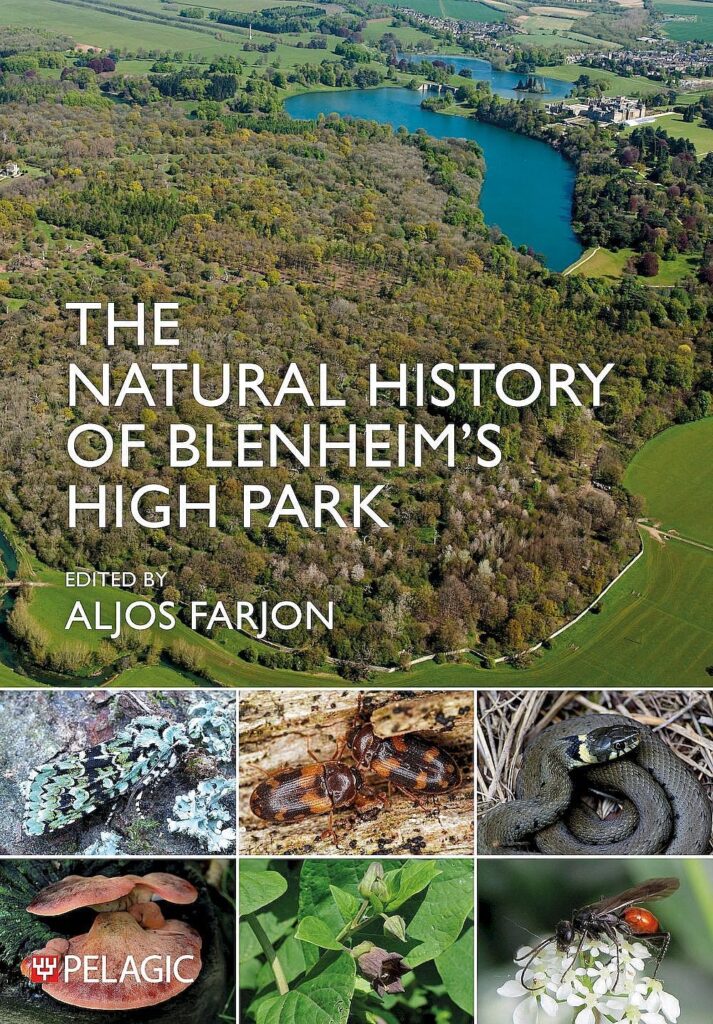
The Natural History of Blenheim’s High Park edited by Aljos Farjon
“This book demonstrates why oak populations in the High Park (which only covers about 121ha) should be considered up there with the more famous Richmond, Moccas and Windsor Great Parks… I believe that this will become a ‘classic’ text”
Keith Kirby, BW 36.7 June 2025. Read the review here
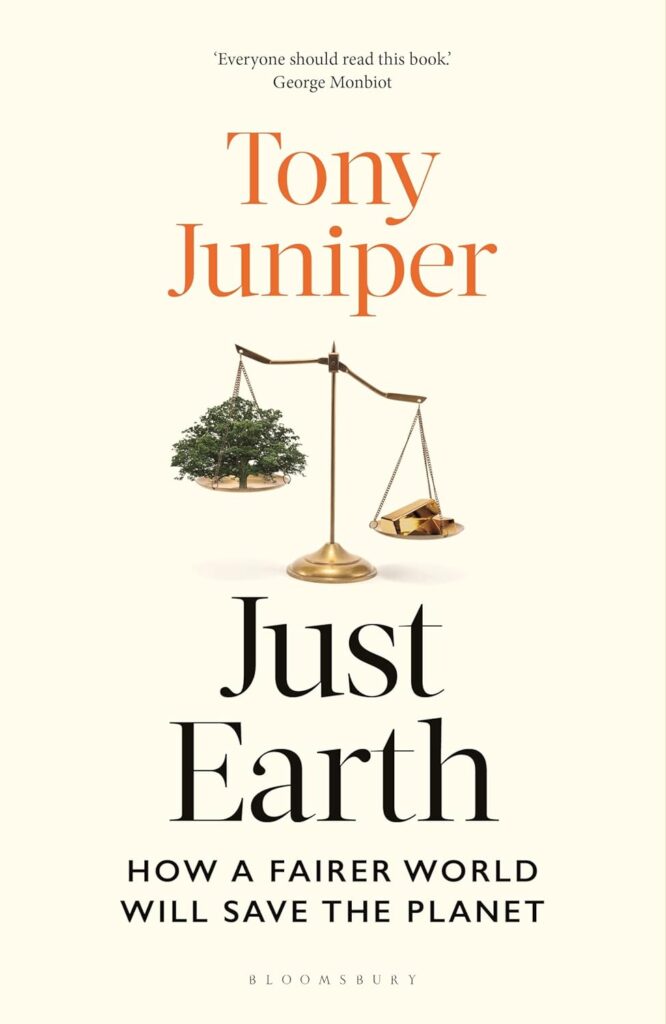
Just Earth by Tony Juniper
“Just Earth comes at a particularly unjust and unearthly time. Mounting inequalities and crystallising environmental crises characterise the present day, and this forms the basis of Tony Juniper’s two-fold argument.”
Ted Theisinger, BW 36.8 August 2025. Read the review here
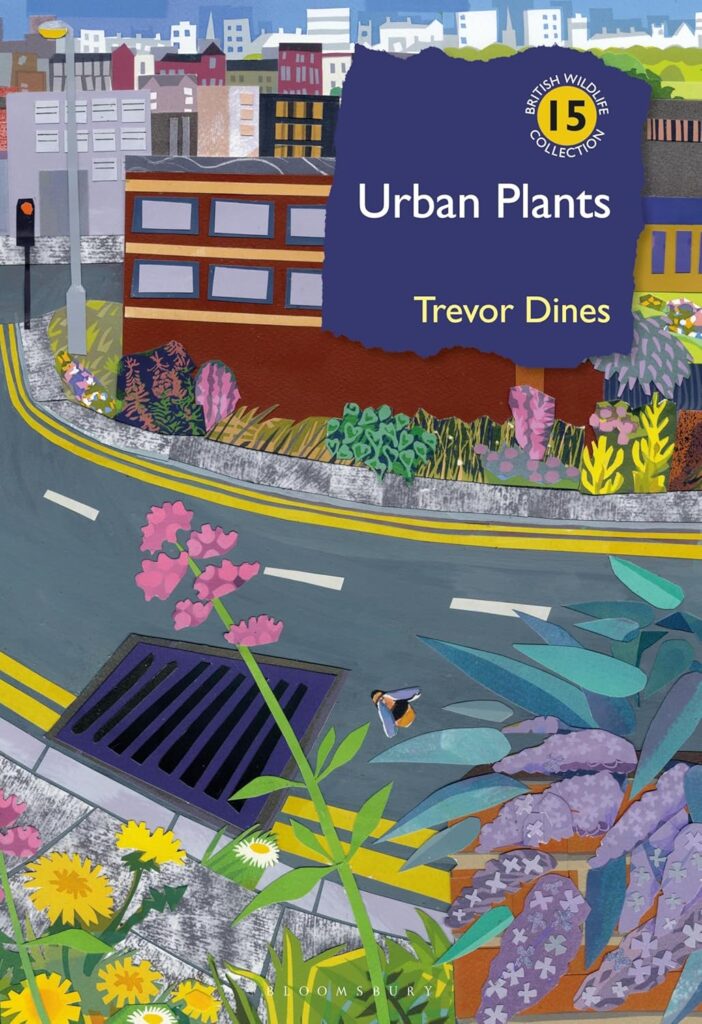
Urban Plants by Trevor Dines
“The urban environment is in many ways a tough place for plants. Concrete and tarmac have little to offer as habitat, and the street plant must cope with pollutants, herbicides, droughts, roadworks, salt, and violent winds, not to mention periodic splashes from traffic on wet days. Yet, despite that, our cities now support more species than any comparable area of countryside.”
Peter Marren, BW 36.8 August 2025. Read the review here